What Victoria's plastic straw ban changed behind the counter: why Melbourne cafés moved past paper, what they tested, and how the switch actually ran.
Melbourne moved off plastic straws faster than most of the country, and not always smoothly. Talk to operators around Fitzroy, Brunswick, Box Hill and the CBD laneways and you hear the same arc: a quick switch to paper because it was already sitting in the wholesaler's catalogue, a few months of comments from customers, then a second switch to something sturdier. This article is about that transition as it actually played out behind the counter — and what the venues that only had to change once did differently.
Volume is part of why it mattered here. A city built on espresso bars, iced-latte queues and bubble tea strips gets through an enormous number of straws in a week, so a replacement that fails even one time in twenty becomes a daily service problem rather than an occasional one.
Why paper was the first answer and not the last
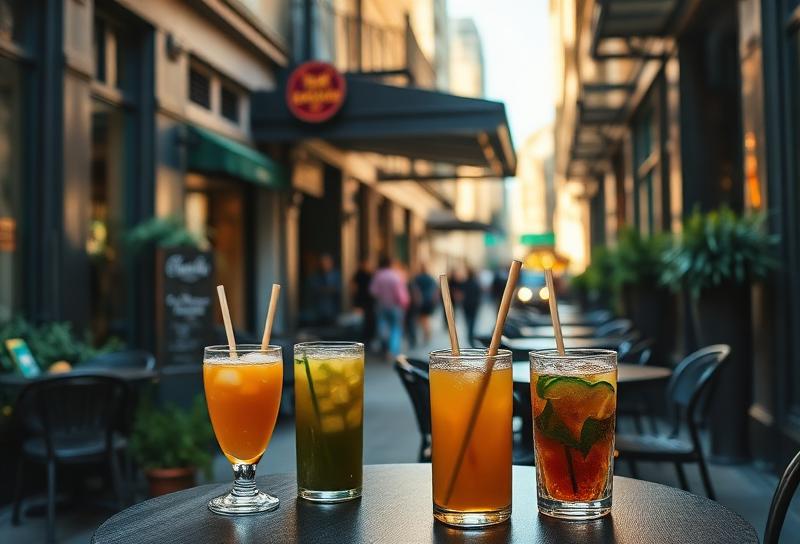
Paper straws fail in the one situation that matters most: a drink someone actually takes their time over. A long conversation over an iced long black, a smoothie in the sun on Lygon Street, a cocktail across a two-hour dinner service — that is exactly where a paper straw starts to soften, collapse and taste like the drink it is sitting in. Staff hear about it, and the complaint lands on the venue rather than on the straw supplier.
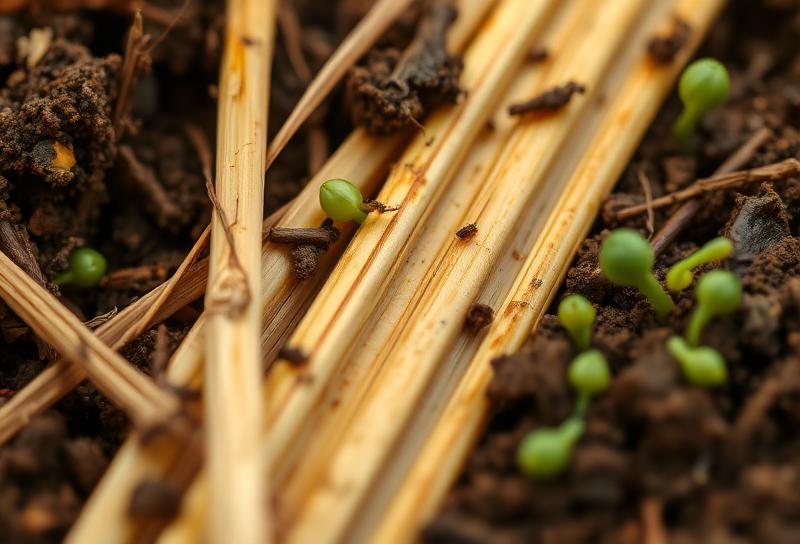
Sugarcane straws are made from bagasse, the fibrous material left over after sugarcane is pressed for its juice. It is genuinely a by-product: the sugar industry already produces it in volume, and turning it into food-service items uses material that would otherwise be waste. The finished straw is rigid, holds its shape in cold and hot drinks for hours, and does not go soft halfway through a glass.
What the second-time buyers checked first
The market filled up quickly and not every product marketed as eco-friendly is equivalent. The venues that got it right on the second attempt all worked through the same short list before committing to a pallet:
- Certification. Ours are TUV certified compostable and break down within 90 days in commercial composting conditions. Ask any supplier for their certification, not just a claim on the box.
- PFAS. Some moulded fibre food-service products have historically used per- and polyfluoroalkyl substances as a moisture barrier. Our straws are PFAS-free, and that is a question worth asking of anything that touches a drink.
- Sizing that matches your menu. A café running espresso, iced coffee and a small cocktail list needs at least two diameters. A venue that also sells bubble tea needs a third.
Matching straws to a Melbourne drinks list
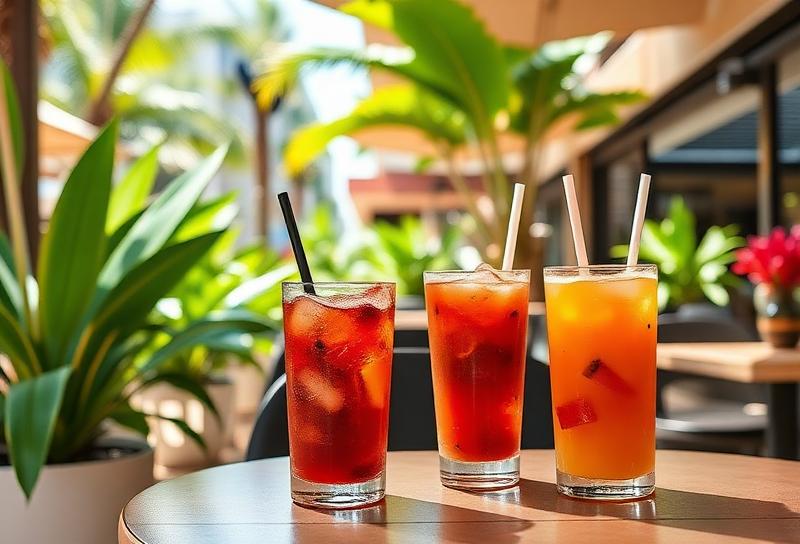
Our regular 6mm × 200mm straw is the workhorse for iced coffee, soft drink and water service. The 6mm × 140mm cocktail straw suits short glasses, spritzes and espresso martinis where a full-length straw looks wrong. The 8mm × 200mm jumbo handles smoothies and thicker milk-based drinks that a standard straw simply cannot pull. If bubble tea is on the menu, the 12mm × 220mm boba straw is a separate line item — a standard straw will not pass tapioca pearls.
Most Melbourne venues we supply land on two SKUs: regular for the bulk of service and one specialist size for whatever their signature drink happens to be. It keeps the storeroom simple and avoids staff reaching for the wrong box during a rush.
Where to buy them in Melbourne
This article is about the decision rather than the purchase, so if you have already made it, the buying detail lives one level up: our Melbourne straws page covers case sizes, per-straw pricing and delivery windows into metropolitan Melbourne and regional Victoria. That is the page to order from.
For orientation before you go looking: case pricing starts at $55 for 2,500 cocktail straws and $70 for 2,500 regular straws, and we ship Australia-wide through the One World Courier network — three to seven business days standard, or one to three express when you have miscounted a week before a long weekend. Freight is quoted live at checkout from the carrier's own rates and charged at cost.
The practical case for switching
The compliance argument is settled: plastic straws are not coming back to Victorian venues. What is still in play is whether your replacement makes service better or worse. A straw that holds up for the length of the drink is invisible to the customer, and invisible is exactly what you want from a straw.
If you are weighing up a change, order a smaller case first and put it through a full weekend of trade before you commit to your annual volume. Any supplier confident in their product will encourage that. If you would like help matching sizes to your menu, email us at [email protected] and tell us what you pour.